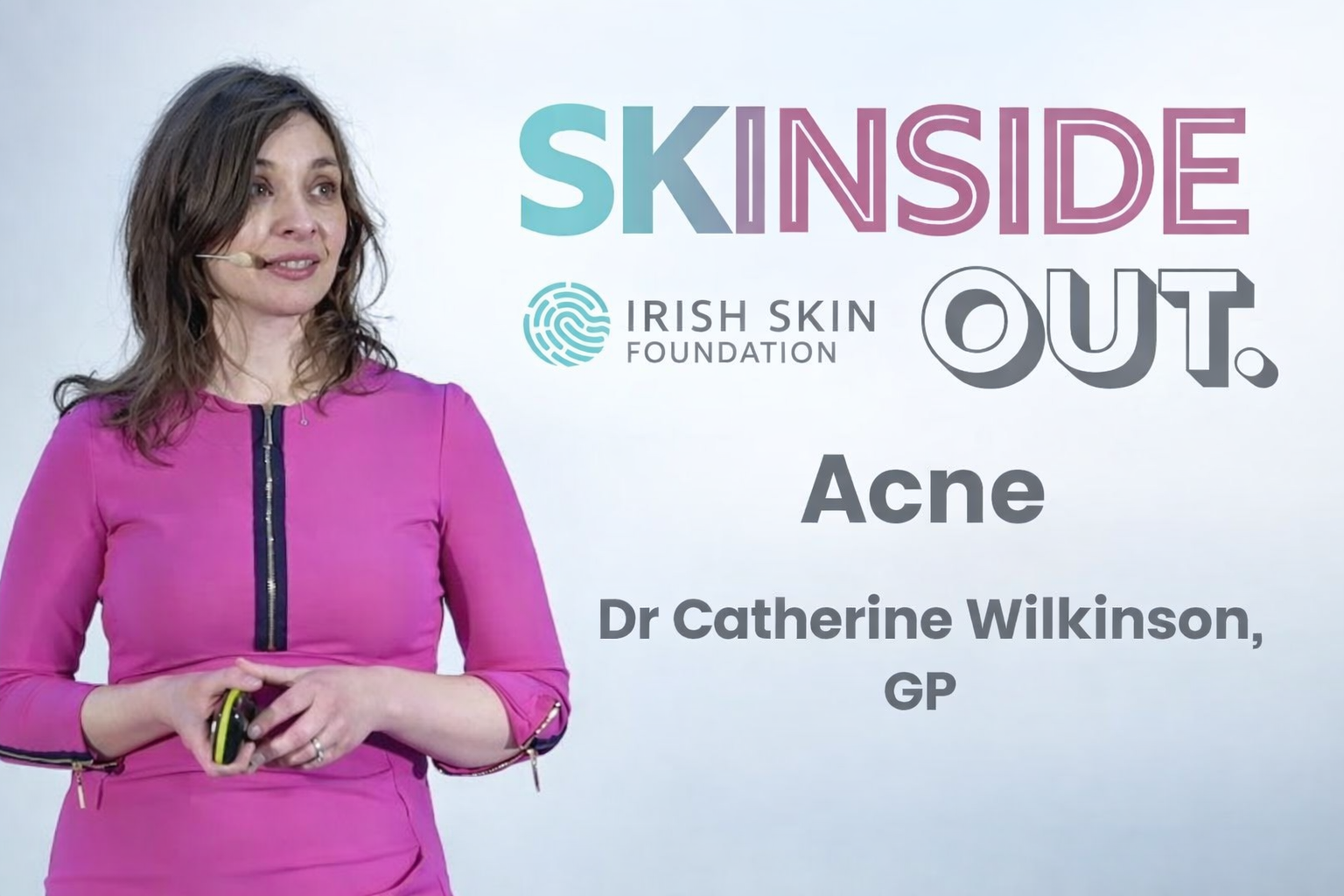
Acne is a really common skin condition affecting both adolescents and adults. Understandably, it can be a great source of upset for people. Unfortunately, it can result in unnecessary scarring for some.
If you are upset about your acne or theover the counter treatments have not helped you within a couple of months, feelfree to make an appointment with me so that I can help empower you to takecontrol of your skin.
Here are is some useful content, well worth a watch or listen.
Find clear answers to common dermatology and clinic questions below.
Diet is not the main cause of your acne. Rarely will a change in diet impact on your skin. im for a healthy balanced diet
NICE guidelines state : “Advise people thatthere is not enought evidence to support specific diets for treating acne.”
The British Association of Dermatology and American Academy of Dermatology advocate a healthy, balanced diet.
www.safefood.net is a good resource to guide you further in learning about healthy diet.
Acne tends to start in adolescence whenhormone levels rise with puberty. People who suffer from acne do not tend tohave higher levels of hormones than others resulting in more sweat/sebumproduction. It is more that the sweat glands in their face and trunk are moresensitive to circulating hormones. 70% of femaleswill notice an aggravation of the acne just before or in the first few days ofthe period
I thinkit is always best to refer to reputable guidelines when trying to decipher if atreatment is worth doing. The American Academy of Dermatology states that thereis “limited evidence to recommend the use and benefit of physical modalitiesfor the routine treatment of acne, including pulsed dye laser, glycolic acidpeels and salicylic acid peels.”
It is generally recommend to visit you GP when :
Appointments can be booked or rescheduled online or by calling our clinic directly during business hours.
The following are common evidence based prescriptive treatments for acne:
A sunburn that reddens the skin,or suntan that darkensthe skin may make the acne less visible and make theskinfeel drier. However, these perceived benefits are temporary. Therefore , we donot recommend sun exposure to treat acne.
Risk of skin cancer andpremature ageing associated excess UV/sun exposure
I recommend patients to use anon-oily (non-comedogenic) broad spectrumsunscreen offering protection fromboth UVA/UVB, with a minimum SPF 30.
While your skin may typically have been oily, it will usually become dry with prescribed treatment. Therefore, you will need to use a different moisturiser and cleanser to support your skin in tolerating the prescribed treatment.
Avoid creams/cleansers that advertise their ability to treat acne or blemishes as they are likely to contain salicylic acid or benzoyl peroxide which will dry out your skin and make it harder for you to tolerate your prescribed treatment.
Choose a gentley dyhyrating cleanser
Choose a facial moisturiser for normal to dry skin
Topical retinoids, acne antibiotic tablets and isotretinoin make you more sensitive to the sun so you need to use a facial SPF daily when taking/applying these treatments
To make an appointment, You can book via the link below or alternatively contact a member of my team to make an appointment.
Tel 01 9058012 or email info@tallaghtcrossdoctors.ie.
Misinformation in social media regarding acne
Daily skin routines are critcial when it comes to managing acne
You could consider using some of the following


![[background image] retail setting with neatly arranged products (for a pharmacy)](https://cdn.prod.website-files.com/69811ccf6cce30577ab21480/69822832879a781d78b1268c_ChatGPT%20Image%20Feb%203%2C%202026%2C%2004_53_59%20PM.png)